

The 10 Scariest Things About Shipping Container Architecture
페이지 정보

본문
Shipping Container Architecture: A Sustainable Future for Building Design
On the planet of architecture and construction, development constantly pushes the limits of what's possible. One such trend that has acquired substantial traction in the last few years is shipping container architecture. This method converts repurposed shipping containers into functional living and working areas, offering an eco-friendly, cost-efficient, and aesthetically pleasing alternative to conventional structure approaches. This blog post explores the advantages, challenges, and different applications of shipping container architecture while addressing often asked concerns and supplying an overview of the design procedure.
What is Shipping Container Architecture?
Shipping container architecture includes the design and construction of structures using intermodal containers as the primary building product. These steel boxes, initially intended for transporting products across oceans, are lauded for their strength, resilience, and modularity. The trend has progressed into a robust motion in sustainable building practices, attracting eco-conscious designers, builders, and homeowners alike.
| Key Features of Shipping Containers | |
|---|---|
| Products | Steel, insulation products, glass, etc. |
| Modularity | Quickly stackable and movable |
| Sturdiness | Resistant to rot, insects, and severe weather |
| Affordability | Lower construction and functional costs |
Advantages of Shipping Container Architecture
Sustainability: One of the most significant benefits of shipping container architecture is its eco-friendliness. By repurposing these containers, builders contribute to material reuse and reduce waste. Additionally, their toughness extends the life cycle of the raw products, reducing the need for new resources.
Cost-Effectiveness: Shipping containers are typically less costly than standard building materials. Their schedule in the second-hand market likewise adds to decrease expenses, making them an attractive choice for budget-sensitive jobs.
Speed of Construction: Shipping container structures can be constructed fairly quickly, as much of the elements are pre-fabricated. This speed enables quicker occupancy, which is essential in housing crises or for temporary setups.
Design Flexibility: Shipping containers can be combined, stacked, and modified extensively, offering architects with adequate opportunities to create special styles that cater to specific requirements and aesthetics.
Mobility: Shipping container structures can be relocated quickly, making them perfect for momentary structures or mobile living solutions.
Difficulties of Shipping Container Architecture
While the benefits of shipping container architecture are vast, it is essential to think about the possible obstacles also.
Insulation: The metal structure of shipping containers postures challenges relating to temperature regulation. Appropriate insulation is necessary to ensure comfort in both hot and cold climates.
Zoning Laws and Regulations: Depending on local guidelines, acquiring approval to construct a shipping container home can be complicated. Each municipality has different building regulations that might not acknowledge shipping containers as acceptable structure products.
Modifications: While Cargo Containers are structurally strong, modifications such as cutting and welding can damage their integrity. Proper engineering is required to guarantee safety and durability.
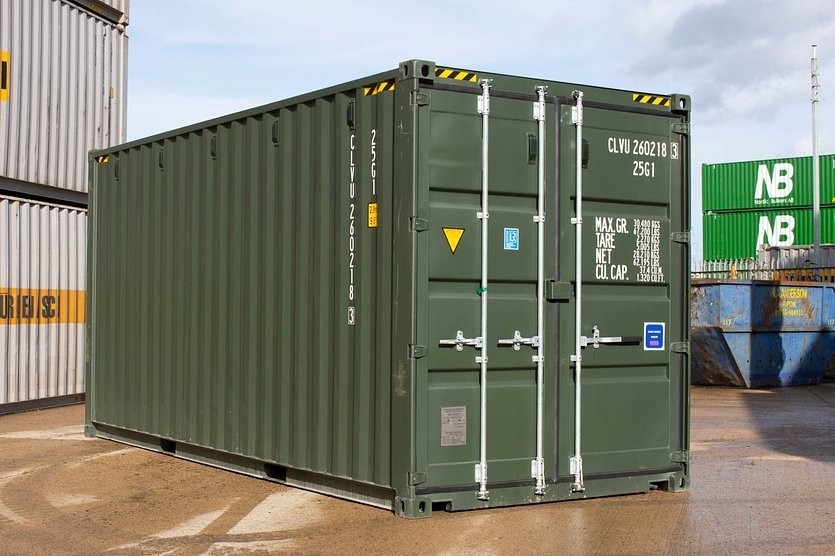
Rust and Corrosion: Shipping containers are created for maritime usage, but extended direct exposure to wetness can lead to rust. Treatments and coverings are frequently essential to combat this concern.
| Difficulty | Possible Solution |
|---|---|
| Insulation | Premium insulation products and strategies |
| Zoning Regulations | Assessment with local authorities and adherence to codes |
| Modifications | Engage professional architects and engineers |
| Rust and Corrosion | Usage suitable coatings and placement strategies |
Applications of Shipping Container Architecture
Shipping container architecture is versatile and can be Used Shipping Containers in different sectors. Here are a few of the most popular applications:
Residential Homes: Many homeowners embrace container homes as a sustainable living choice. With imaginative designs and designs, they can be changed into comfy, modern homes.
Business Spaces: Retail stores, coffee shops, and offices can also gain from Shipping Container Rental Conex Containers due to their distinct beauty and rapid construction. Mobile food trucks have acquired immense popularity as a result.
Emergency situation Shelters: Shipping containers can be rapidly modified into momentary housing systems for disaster relief scenarios, making them essential to humanitarian efforts.
Pop-Up Developments: Container architecture enables momentary installations for occasions, festivals, or markets, providing special experiences while minimizing construction costs.
Designing with Shipping Containers
The design procedure for a shipping container project normally includes the following actions:
Concept Development: Define the purpose and general vision for the container structure.
Site Assessment: Evaluate the site for zoning restrictions, access, and energy connections.
Container Sourcing: Identify and procure the required shipping containers based on size, condition, and budget plan.
Architectural Planning: Collaborate with designers or design specialists to develop detailed strategies, layouts, and structural engineering evaluations.
Construction: Engage construction specialists with experience in dealing with shipping containers, making sure that all modifications abide by security standards.
Finishing Touches: Install utilities, insulation, interior finishes, and landscaping to finish the task.
Regularly Asked Questions
Q1: Are shipping container homes budget-friendly?A: Yes, shipping container homes can be more affordable than conventional homes, particularly if you buy used containers and handle some of the labor yourself.
Q2: Are shipping containers long lasting?A: Shipping containers are extremely durable and can withstand extreme weather, but appropriate treatment is required to minimize rust and corrosion.
Q3: Can shipping container homes be customized?A: Absolutely! Shipping containers can be quickly modified to match various design requirements, including layout modifications and visual preferences.
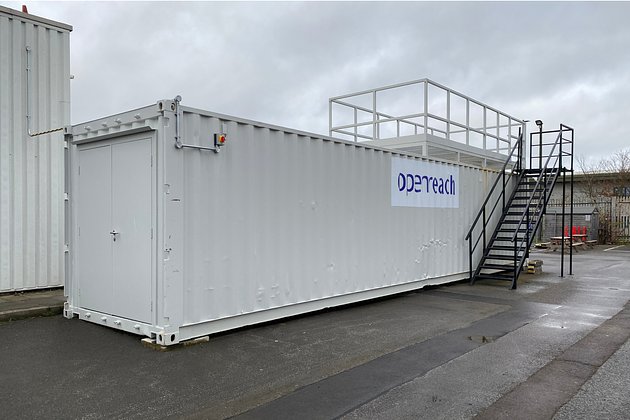
Q4: Do shipping container homes need building licenses?A: Yes, structure licenses are generally needed, and it is necessary to inspect regional zoning laws ahead of time.
Shipping container architecture represents an innovative and sustainable approach to developing design. With various advantages, consisting of environmental benefits, cost-effectiveness, and design versatility, this pattern is an outstanding alternative for ingenious architecture. Nevertheless, prospective home builders need to thoroughly think about possible obstacles and the required steps for an effective task. As society gravitates toward sustainable practices, shipping container architecture is most likely to become a significantly practical and attractive option for contemporary living and working environments.
- 이전글The 3 Biggest Disasters In Pain Relief Pills History 26.03.12
- 다음글7 Helpful Tricks To Making The Most Out Of Your 30ft Container 26.03.12
댓글목록
등록된 댓글이 없습니다.