

A Guide To Vertical Milling Machines In 2024
페이지 정보

본문
Understanding Vertical Milling Machines: An In-Depth Guide
Vertical milling machines, Neue Fräsmaschinen Kaufen Online Fräsmaschinen Von Vertrauenswürdigen Händlern Kaufen (relevant resource site) important tools in the modern-day production landscape, play a vital function in different industries, ranging from automotive to aerospace. These machines provide precision and flexibility, making them a popular choice for complex machining jobs. This article aims to detail the operations, benefits, applications, and upkeep of vertical milling machines to provide readers with a thorough understanding of these important manufacturing tools.
What is a Vertical Milling Machine?
A vertical milling machine is a machine tool that utilizes rotary cutters to get rid of product from a workpiece. The spindle, which holds the cutting tool, is oriented vertically, permitting elaborate machining operations. The machine can manage different materials such as metals, plastics, and wood.
Key Components of a Vertical Milling Machine
- Base: The heavy part that supports the entire machine and absorbs vibrations.
- Column: The vertical structure housing the spindle and other components.
- Spindle: The rotating part that holds the cutting tool.
- Table: The flat surface area where the workpiece is positioned.
- Knee: The part that supports the table and permits vertical movement.
- Saddle: A platform that supports the table and allows for horizontal motion.
- Power Feed Mechanism: Facilitates automatic and manual motion of the table.
Table 1: Comparison of Vertical and Horizontal Milling Machines
| Function | Vertical Milling Machine | Horizontal Milling Machine |
|---|---|---|
| Spindle Orientation | Vertical | Horizontal |
| Cutting Tool Position | Above the workpiece | Side of the workpiece |
| Applications | Better for elaborate shapes and smaller parts | Suitable for larger projects and long cuts |
| Setup Time | Usually needs more time | Normally much faster setup |
| Cost | Normally more affordable | Can be more pricey due to intricacy |
Advantages of Vertical Milling Machines
Vertical milling machines feature several benefits that make them a preferred option in manufacturing environments:
Precision Cutting: The vertical style enables great control over vertical movement, which is essential for detailed machining tasks.
Relieve of Use: Most vertical milling machines provide easier operation and user-friendly controls, making them user-friendly for operators of numerous skill levels.
Adaptability: These machines can perform various operations, including drilling, boring, and tapping, thus supplying a one-stop solution for different machining requirements.
Area Efficiency: Vertical milling machines need less floor Hochgeschwindigkeitsfräsmaschinen Kaufen space than horizontal machines, making them ideal for centers with limited space.
Applications of Vertical Milling Machines
The adaptability of vertical milling machines allows them to be used in numerous applications, such as:
Prototype Development: Engineers frequently use vertical mills to produce models due to their precision and flexibility to design changes.
Custom Part Manufacturing: Ideal for fabricating unique parts according to consumer requirements.
Tool and Die Making: Essential for producing complex tools, dies, and molds.
Aerospace Components: Used in the production of detailed parts that require careful attention to information.
Maintenance of Vertical Milling Machines
Proper upkeep is crucial to prolonging the life of a vertical milling machine. Below are some upkeep ideas:
Regular Cleaning: Dust and chips can construct up and affect performance. Always tidy after use.
Lubrication: Ensure that all moving parts are effectively lubed to avoid wear.
Alignment Checks: Regularly examine the positioning of the spindle and table to maintain accuracy.
Examination of Tools: Frequently examine cutting tools for damage and change them when required.
Calibration: Periodic calibration assists keep precision and performance.
FAQ Section
Q1: What is the distinction in between CNC and manual vertical milling machines?
A1: CNC (Computer Numerical Control) vertical milling machines are automated and set to execute accurate machining operations, while manual machines need human intervention for changes and operation.
Q2: Can vertical milling machines handle large workpieces?
A2: Generally, vertical milling machines are much better suited for smaller sized and medium-sized workpieces. For larger elements, a horizontal milling machine might be more effective.
Q3: What types of products can be machined utilizing vertical milling machines?
A3: Vertical milling machines can handle different materials, consisting of metals (like aluminum and steel), VertikalfräSmaschinen plastics, and wood.
Q4: How do I know if a vertical milling machine is right for my requirements?
A4: Consider the complexity, size, and amount of parts you require to produce. Vertical mills are perfect for in-depth work and prototyping, while horizontal mills are more matched for large-scale operations.
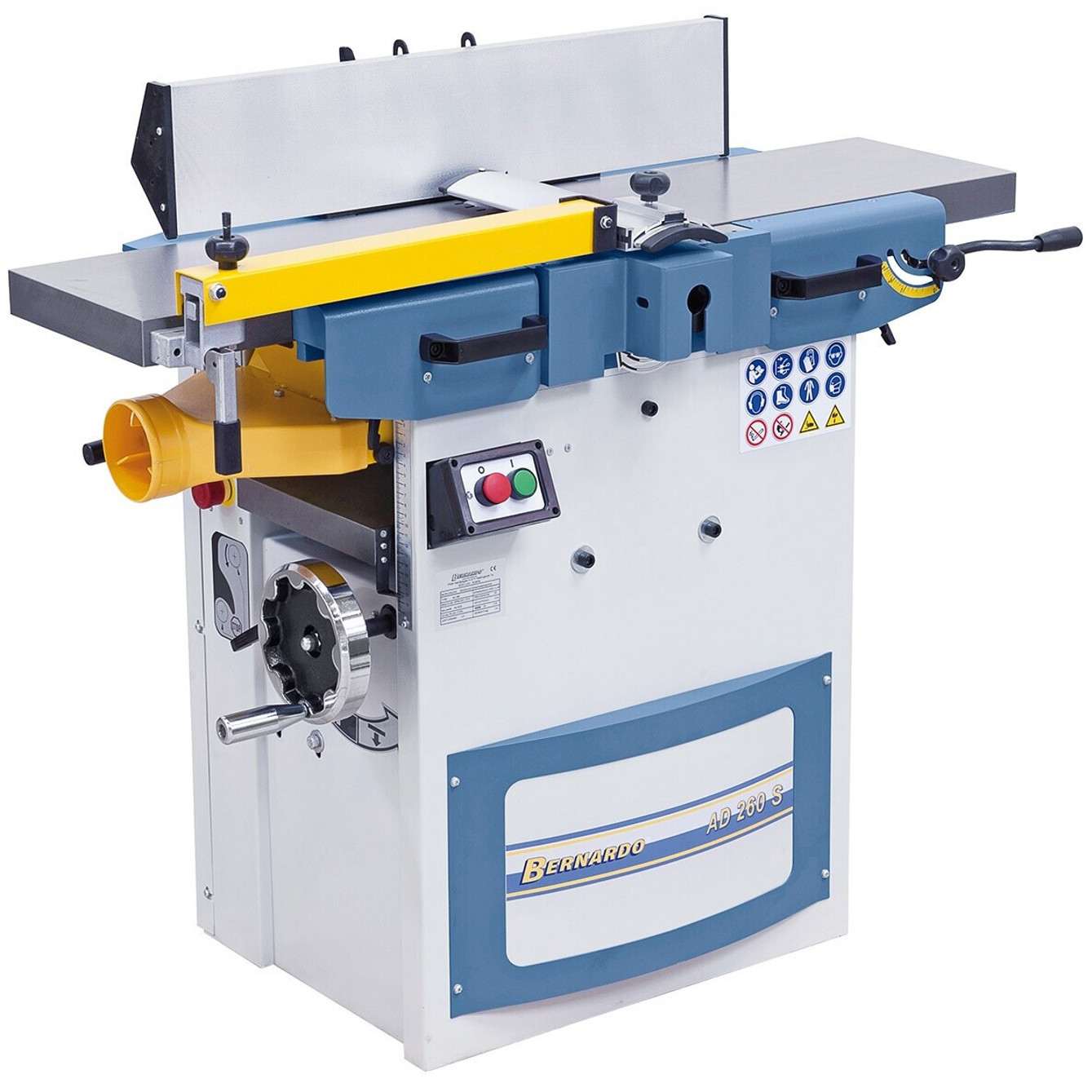
Vertical milling machines are essential in today's manufacturing world. Their precision, flexibility, and Beste Angebote Für Fräsmaschinen ease of use make them ideal for a myriad of applications, from small prototypes to detailed aerospace parts. With the right upkeep practices, these machines can serve businesses for many years, contributing to efficiency and efficiency. As making technologies continue to develop, vertical milling machines will likely stay a cornerstone of effective machining solutions.
By understanding the key components, benefits, and applications of vertical milling machines, producers and operators are much better geared up to utilize these machines in their production procedures efficiently.
- 이전글The History Of Painkiller Tablets 26.03.07
- 다음글Five Killer Quora Answers To Buy Genuine IELTS Certificate 26.03.07
댓글목록
등록된 댓글이 없습니다.